With the rapid development of Internet of Things (IoT) technology, more devices are becoming interconnected, making information exchange more convenient than ever. In this context, DTU (Data Terminal Unit) has emerged as a crucial component in the IoT and software-defined networking landscape. So, what exactly does Data Terminal Unit mean in the 5G and edge computing era?
What is DTU?
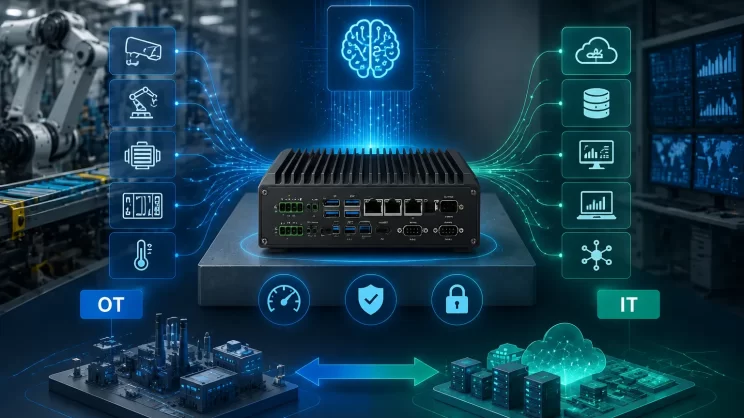
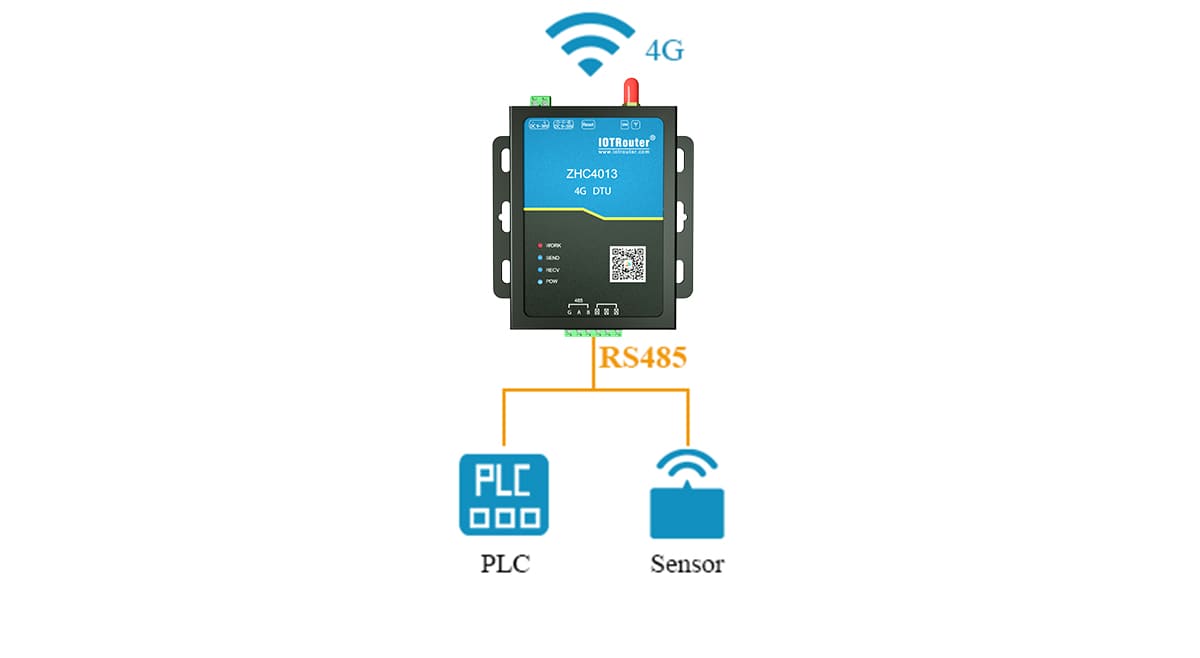
DTU stands for Data Terminal Unit, which serves as a key element in IoT technology. It establishes a reliable connection between edge devices, such as sensors and monitoring equipment, and cloud platforms. The primary functions of a Data Terminal Unit include the collection, transmission, and processing of data, as well as enabling remote control and monitoring of devices.

Components of Data Terminal Unit
A Data Terminal Unit is typically a compact terminal device composed of several essential components:
Embedded Processor: This is the brain of the Data Terminal Unit, responsible for processing data and executing commands.
Module de communication: This module allows the Data Terminal Unit to connect to various networks, including Ethernet, wireless networks, and cellular networks.
Peripheral Interfaces: These interfaces enable the Data Terminal Unit to connect with additional devices and sensors, expanding its functionality.
Through these components, a Data Terminal Unit can effectively communicate with devices and collect data. Its robust design ensures strong adaptability, stability, and reliability, making it suitable for diverse environments and application scenarios.
The Role of Data Terminal Unit in IoT
In the realm of IoT, a Data Terminal Unit acts as a bridge for data transmission. Here’s how it works:
Collecte de données: Data Terminal Units gather information from various sensors, such as temperature and humidity sensors.
Data Conversion: The collected information is converted into a standard communication protocol.
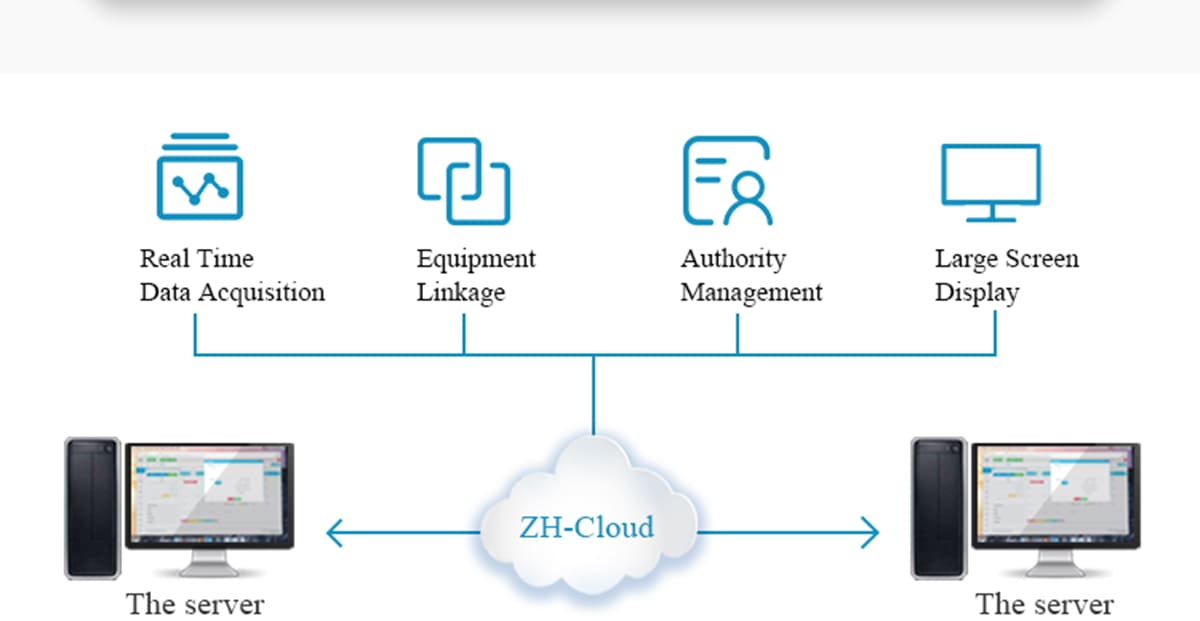
Transmission des données: The Data Terminal Unit sends the processed data to a cloud server via the network.
Traitement des données: The cloud server analyzes the data, providing users with valuable insights.
Télécommande: DTUs can send instructions back to devices through the cloud platform, facilitating monitoring.
This seamless flow of information enhances operational efficiency across different applications.
Data Terminal Unit in Software-Defined Networking (SDN)
In the context of software-defined networking, Data Terminal Units play a vital role in connecting controllers and switches. Unlike traditional network architectures, where devices like switches are hardware-dependent, SDN separates the control layer from the data layer. This architecture allows for centralized management through a controller.
In this setup, the Data Terminal Unit connects the controller and the switch, transmitting control signals and data. This flexibility is crucial for modern network management, making Data Terminal Units indispensable in SDN applications.
Benefits of Using It
The advantages of using Data Terminal Units in IoT and SDN include:
Évolutivité: They can easily integrate with existing systems and scale as the network grows.
Cost-Effectiveness: By reducing the need for extensive wiring, they lower installation costs.
Improved Reliability: With robust data transmission capabilities, they ensure accurate data collection.
The Future of Data Terminal Unit
As IoT, 5G, and AI technologies continue to evolve, the potential of Data Terminal Units is expanding into new fields. The global Industrial Wireless Data Terminal Unit market was valued at USD 1.37 billion in 2025 and is projected to reach USD 2.48 billion by 2032, growing at a CAGR of 8.85%. The Industrial 5G Data Terminal market is expected to grow from USD 2.31 billion in 2025 to USD 7.95 billion by 2032, at a CAGR of 19.26%. Industries such as smart manufacturing, smart grid, healthcare, agriculture, and smart cities will increasingly benefit from the capabilities offered by modern Data Terminal Units.
For instance, in smart manufacturing, Data Terminal Units facilitate real-time monitoring of machinery and optimize production processes. In agriculture, they enable precision farming by collecting data on soil conditions and crop health.
Conclusion
If you have more questions about the Data Terminal Unit or are interested in its application scenarios, please feel free to contact us. Our team is ready to assist you in understanding the capabilities and benefits of Data Terminal Units.
Q1: What is a DTU (Data Terminal Unit)?
A DTU (Data Terminal Unit) is a device that enables data transmission between field equipment (such as sensors, PLCs, and monitoring devices) and cloud platforms. It converts serial data into IP-based data and transmits it over cellular networks (4G/5G), Ethernet, or LoRa, serving as a critical communication bridge in IoT and industrial automation applications.
Q2: How does a Data Terminal Unit work?
A DTU collects data from connected devices, converts it into standard communication protocols, and transmits it to a cloud server via a network. It also receives and executes control commands from the cloud platform, enabling remote monitoring and device management. Modern DTUs support features like data filtering, OTA firmware updates, and secure transmission.
Q3: What is the difference between a Data Terminal Unit and an edge gateway?
A Data Terminal Unit is primarily a “communication channel” focused on reliable data transmission, while an passerelle périphérique is a “smart hub” with advanced capabilities like protocol conversion, edge computing, local decision-making, and complex device management. In practice, they often work together: DTUs serve as the “nerve endings” for widespread data collection, and edge gateways act as the “local brain” for deeper processing.
Q4: Is the Data Terminal Unit still relevant in the 5G and AI era?
Yes. The global Industrial Wireless Data Terminal Unit market was valued at USD 1.37 billion in 2025 and is projected to reach USD 2.48 billion by 2032. The Industrial 5G Data Terminal market is expected to grow from USD 2.31 billion in 2025 to USD 7.95 billion by 2032 at a CAGR of 19.26%. Data Terminal Units remain essential for cost-effective, large-scale device connectivity, and modern Data Terminal Units are evolving to support 5G, basic edge processing, and enhanced security.
(2026 Update)