Inzicht in het belangrijkste verschil tussen LoRa en wifi bij IoT-connectiviteit
Zowel LoRa als WIFI zijn veelgebruikte communicatietechnologieën in IoT-toepassingen, maar ze dienen heel verschillende doelen. De fundamentele verschil tussen LoRa en wifi ligt in de ontwerpprincipes ervan: LoRa (Long Range Radio) is een energiezuinige draadloze technologie met een groot bereik, die is ontworpen voor het verzenden van kleine hoeveelheden gegevens over lange afstanden. De technologie maakt gebruik van vergunningsvrije sub-GHz-frequentiebanden, zoals 433, 868 en 915 MHz.
Wifi is een technologie voor draadloze LAN-netwerken die is gebaseerd op de IEEE 802.11-standaard. Het belangrijkste verschil tussen LoRa en wifi komt tot uiting in de overdrachtssnelheid, het bereik, het stroomverbruik, de beveiliging en de toepassingsscenario’s.
Het belangrijkste verschil tussen LoRa en wifi
1. Overdrachtssnelheid
LoRa heeft een lage overdrachtssnelheid, die voornamelijk wordt beïnvloed door de frequentiebandbreedte, tot maximaal 50 Kbps. Wi-Fi haalt zeer hoge gegevenssnelheden, meestal tussen 100 Mbps en 1 Gbps.
2. Zendbereik
LoRa maakt transmissie over lange afstanden mogelijk, waarbij de praktische communicatieafstanden vaak groter zijn dan 10 kilometer. In een optimale omgeving zonder obstakels bedraagt de maximale communicatieafstand tot 15 kilometer. Binnen bedraagt de wifi-bereikafstand tussen de 10 en 100 meter, en buiten kan deze oplopen tot honderden meters.
3. Stroomverbruik
LoRa maakt gebruik van spread-spectrum-modulatie, waardoor de vereiste signaal-ruisverhouding bij de ontvanger wordt verlaagd door de signaalbandbreedte te vergroten, waardoor communicatie met laag stroomverbruik. LoRa is ontworpen voor gebruik met een laag stroomverbruik. Het stroomverbruik ligt doorgaans rond de 10–15 mA in de ontvangstmodus en ongeveer 30–40 mA tijdens het zenden (bij 14 dBm). In de slaapstand kan het stroomverbruik dalen tot minder dan 1 μA, waardoor het uitermate geschikt is voor toepassingen die op batterijen werken.
Wifi verbruikt aanzienlijk meer stroom. Zelfs in rust bedraagt het stroomverbruik doorgaans zo’n 2–3 W, en onder belasting kan dit oplopen tot wel 30 W.
4. Beveiliging
LoRa biedt controle op de integriteit van gegevens en authenticatie, ondersteunt AES-128-versleuteling en twee onafhankelijke beveiligingslagen: een geheime sleutel voor de netwerksessie (NwkSKey) en een geheime sleutel voor de sessie (AppSKey), wat het een beveiligingsvoordeel oplevert.
Hoewel wifi ons helpt om toegang te krijgen tot het internet en onbeperkt gebruik te maken van de bronnen die het internet te bieden heeft, brengt het ook tal van veiligheidsrisico’s met zich mee. Enerzijds zijn er netwerkaanvallen en anderzijds zijn er netwerkvalstrikken. Denk bijvoorbeeld aan kwaadaardige phishingwebsites, toegangsaanvallen, DoS- en DDoS-aanvallen, enzovoort, waarbij andere beveiligingsmaatregelen nodig zijn om de veiligheid te waarborgen.
5. Toepassingsscenario's
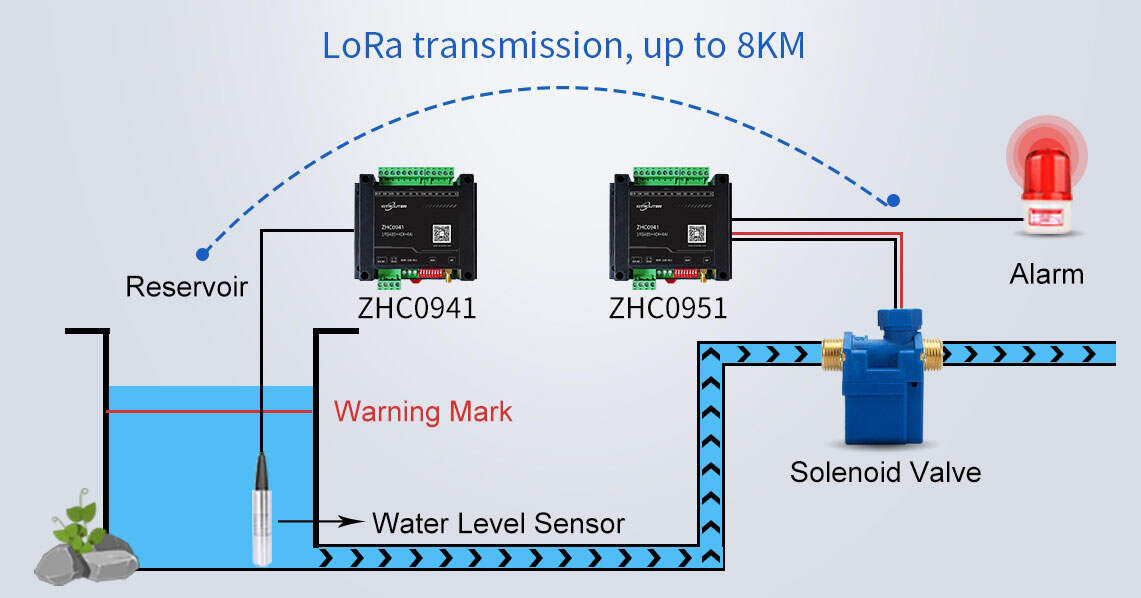
LoRa-technologie is ontworpen voor laag energieverbruik en transmissie over lange afstanden en kan worden gebruikt in privénetwerken. Het wordt voornamelijk gebruikt in grote sensorapplicatiescenario's en buitenscenario's, zoals smart cities, smart firefighting, smart agriculture en andere scenario's.
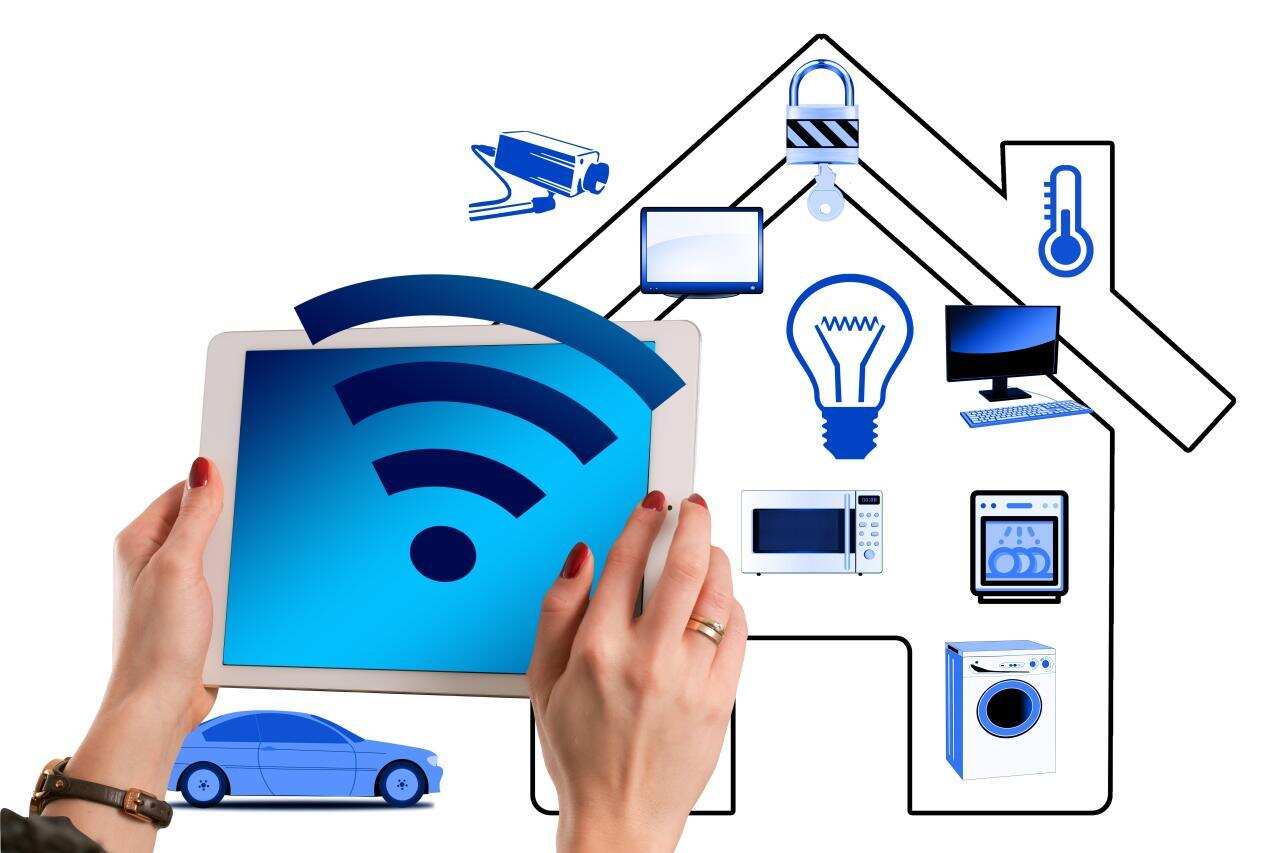
WiFi-technologie is voornamelijk bedoeld om mobiele apparaten toegang te geven tot LAN, WAN en het internet. De verbindingen en instellingen tussen apparaten zijn vrij complex en worden doorgaans gebruikt in scenario’s waarbij gegevens met hoge snelheid worden overgedragen. Denk bijvoorbeeld aan slimme huizen, draagbare apparaten, openbare ruimtes en andere toepassingen.
In de praktijk zijn LoRa en wifi geen concurrerende technologieën, maar worden ze gekozen op basis van verschillende connectiviteitsvereisten in IoT-systemen.

Agnes Wang is IoT-oplossingsspecialist bij IOTRouter en richt zich op industriële IoT-gateways, edge computing en oplossingen voor industriële automatisering.
Ze is gespecialiseerd in industriële communicatietechnologieën, waaronder Modbus, IEC 60870-5-104, MQTT, OPC UA, PLC-integratie en toepassingen voor monitoring op afstand. Ze levert bijdragen aan technische artikelen en toepassingsgidsen over industriële IoT-oplossingen, protocolconversie en edge computing.