Understanding the Key Difference Between LoRa and WiFi in IoT Connectivity
Sia LoRa che WIFI sono tecnologie di comunicazione ampiamente utilizzate nelle applicazioni IoT, ma hanno scopi molto diversi. Le caratteristiche fondamentali difference between LoRa and WiFi lies in their design principles: LoRa (Long Range Radio) is a low-power, long-range wireless technology designed for transmitting small amounts of data over long distances. It operates in unlicensed sub-GHz frequency bands such as 433, 868, and 915 MHz.
WiFi is a wireless LAN technology based on the IEEE 802.11 standard. The main difference between LoRa and WiFi can be seen in transmission rate, range, power consumption, security, and usage scenarios.
Main Difference Between LoRa and WiFi
1. Velocità di trasmissione
LoRa has a low transmission rate, mainly affected by the frequency bandwidth, up to 50 Kbps. WiFi achieves very high data rates, usually between 100 Mbps and 1 Gbps.
2. Gamma di trasmissione
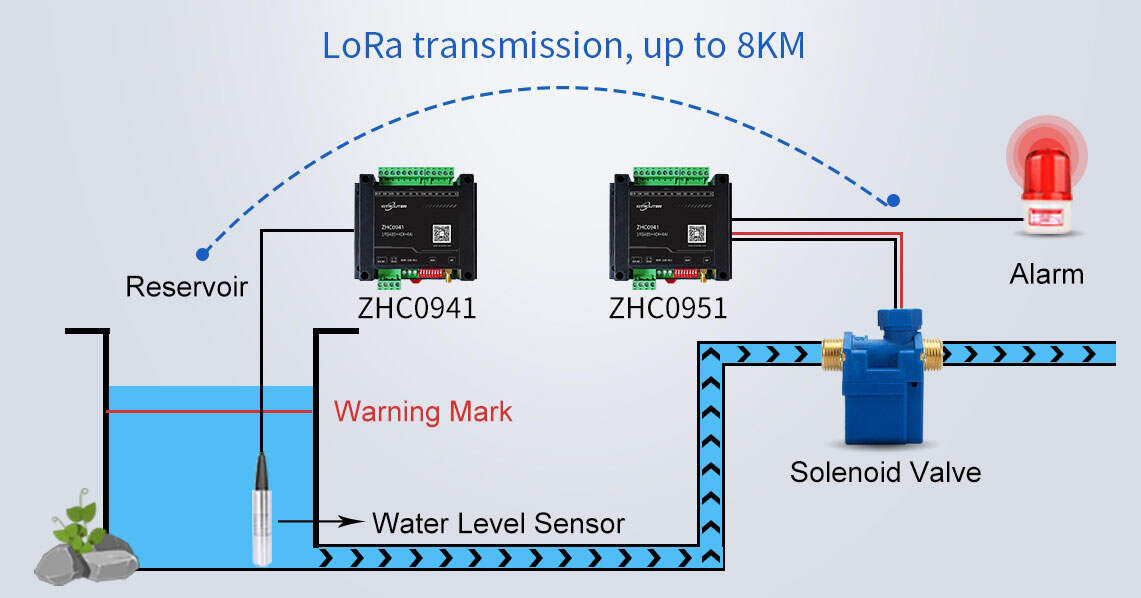
LoRa enables long-distance transmission, with practical communication distances often exceeding 10 kilometers. It has a maximum communication distance of up to 15 kilometers in an optimal environment without barriers. Indoor WiFi transmission distance is between 10 and 100 meters, and outdoor can reach hundreds of meters.
3. Consumo di energia
LoRa uses spread-spectrum modulation, which reduces the signal-to-noise ratio requirement at the receiver by expanding the signal bandwidth, thereby enabling low-power communication. LoRa is designed for low-power operation. The current consumption is typically around 10–15 mA in receive mode and about 30–40 mA during transmission (at 14 dBm). In sleep mode, it can drop to less than 1 μA, making it highly suitable for battery-powered applications.
WiFi consumes significantly more power. Even when idle, typical power usage is around 2–3W, and it can reach up to 30W under load.
4. La sicurezza
LoRa provides data integrity checking and authentication, supports AES-128 encryption and two independent security layers, a network session secret key (NwkSKey) and a session secret key (AppSKey), which gives it a security advantage.
Although WiFi helps us to access the Internet and have unlimited resources on the Internet, it also brings many security risks. One is from network attacks and the other is from network traps. For example, malicious phishing websites, access attacks, DoS and DDoS attacks, etc., which need to rely on other security measures to guarantee their security.
5. Scenari di applicazione
La tecnologia LoRa è progettata per un basso consumo energetico e una trasmissione a lunga distanza e può essere utilizzata in reti private. È utilizzata principalmente in scenari applicativi di sensori di grandi dimensioni e in scenari all'aperto, come le città intelligenti, la lotta antincendio intelligente, l'agricoltura intelligente e altri scenari.
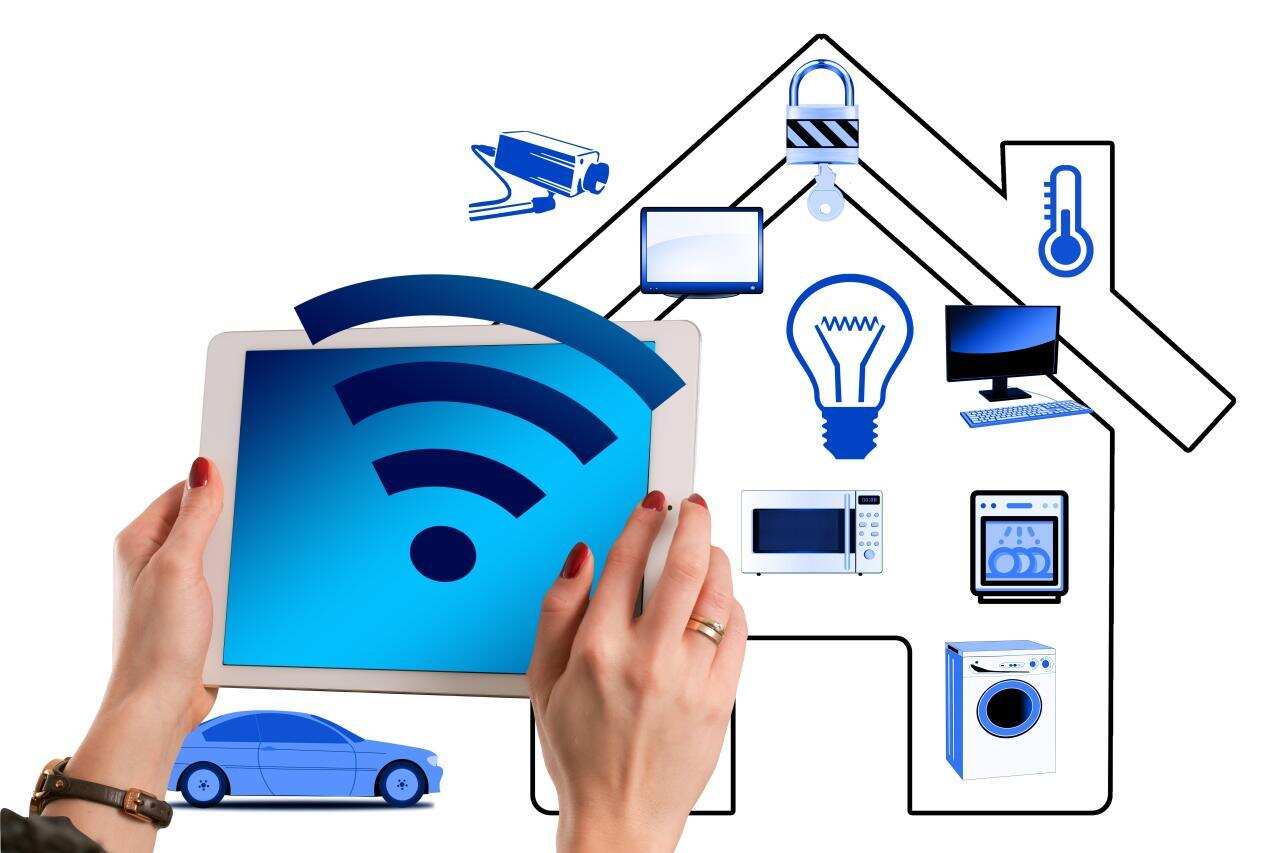
WiFi wireless technology is mainly designed for mobile devices to access LAN, WAN, and the internet. The links and settings between devices are quite complex and are usually used in high-speed data transmission scenarios. Such as smart homes, wearable devices, public places, and other scenes.
In practice, LoRa and WiFi are not competing technologies but are selected based on different connectivity requirements in IoT systems.

Agnes Wang è una specialista in soluzioni IoT presso IOTRouter, dove si occupa principalmente di gateway IoT industriali, edge computing e soluzioni di automazione industriale.
È specializzata in tecnologie di comunicazione industriale, tra cui Modbus, IEC 60870-5-104, MQTT, OPC UA, integrazione di PLC e applicazioni di monitoraggio remoto. Collabora alla stesura di articoli tecnici e guide applicative riguardanti soluzioni IoT industriali, conversione di protocolli ed edge computing.