
In de wereld van industriële automatisering zijn “Profinet, Profibus en CANbus” veelgebruikte termen, maar als het erop aankomt om hun verschillen uit te leggen, worden ze vaak door elkaar gehaald. Erger nog, deze drie worden vaak samen gegroepeerd onder de categorie “industriële communicatie”, waardoor veel ingenieurs in verwarring raken als het tijd is om een keuze te maken: Wat zijn hun relaties? Zijn ze compatibel? Kan de ene de andere vervangen? Hoe moeten ze worden geselecteerd in een project?
1. Conclusie: Het zijn geen opeenvolgende generaties - het zijn verschillende systemen
Simpel gezegd:
1.CANbus is de “basis” industriële bus, veel gebruikt tegen de laagste kosten.
2.Profibus is de “klassieke veldbus”, diep geïntegreerd in het ecosysteem van Siemens.
3.Profinet is “industrieel Ethernet”, dat hoge snelheden, grote systeemcompatibiliteit en geschiktheid voor apparaten van de nieuwe generatie biedt.
Dit zijn geen “upgrades” van elkaar, maar ze bestaan naast elkaar in industriële omgevingen. Een apparaat kan bijvoorbeeld het volgende gebruiken CANbus voor interne controle, Profibus voor de veldlaag, en Profinet voor het bovenliggende besturingsnetwerk. Dit weerspiegelt echte techniek, geen tekstboekmodel.
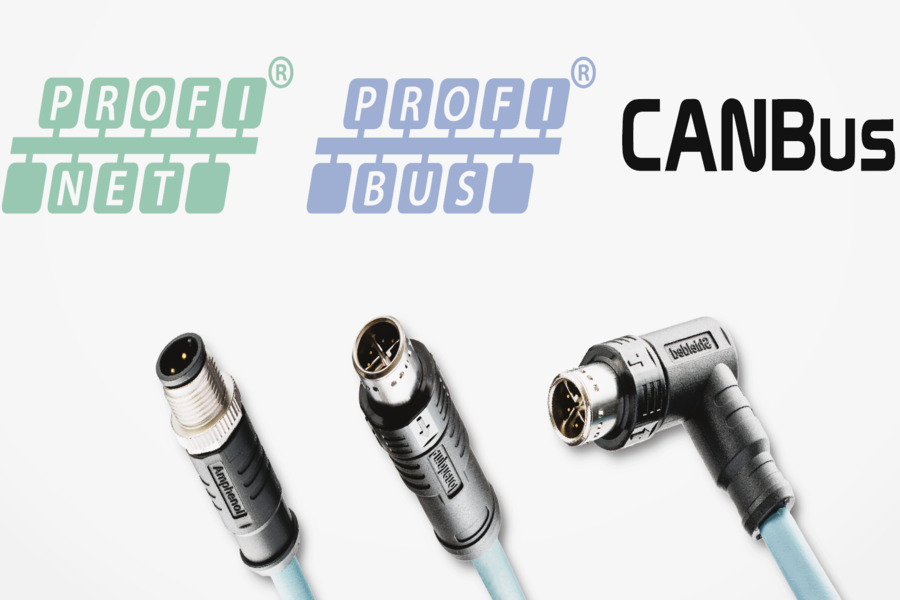
2. CANbus: Kosteneffectief en eenvoudig - de “industriële bus op nationaal niveau”.”
Als het gaat om wijdverspreid gebruik, CANbus staat bovenaan de lijst. Dit is waarom:
1. Betaalbaar
2. Sterke weerstand tegen interferentie (tientallen jaren getest in de auto-industrie)
3. Hoge protocol flexibiliteit
CANbus komt vaak voor in interne industriële apparaten zoals:
1.Motorbesturingen
2.Batterijbeheersystemen (BMS)
3.Interne printplaten
4. Eenvoudige overdracht van sensorgegevens
In veel gateway en controllerapplicaties, CANbus wordt gebruikt voor “interne apparaatcommunicatie” of om te interfacen met aangepaste protocollen. Het heeft echter beperkingen:
1. Lage bandbreedte (1 Mbps)
2. Kan geen grote industriële netwerken ondersteunen
3. Niet geschikt voor het beheren van complexe apparatuur van verschillende fabrikanten.
3. Profibus: De ooit dominante paarse kabel, nog steeds in gebruik
Profibus is de klassieke “veldbus uit het verleden”, vooral binnen de geautomatiseerde systemen van Siemens. De belangrijkste voordelen zijn
1. Volwassen engineering
2. Uitgebreide legacysystemen
3. Brede compatibiliteit met verschillende apparaten
4. Uitgebreid configuratiesysteem (GSD-bestanden)
Veel fabrieken gebruiken nog steeds Profibus, niet door geldgebrek, maar omdat upgraden is niet nodig. Echter, Profibus heeft wel nadelen:
1.Beperkte bandbreedte (12 Mbps, in de praktijk meestal lager)
2. Beperkte topologie-opties
3. Moeilijk om te voldoen aan de eisen van digitalisering en big data
Dit is waar Profinet stappen in.
4. Profinet: Het hoofdnetwerk voor het tijdperk van de slimme fabriek
Profinet is niet simpelweg een “nieuwe versie van Profibus”, maar een industriële Ethernetoplossing die de communicatie verbetert met hogere snelheden, meer datacapaciteit en geavanceerde beheermogelijkheden. De belangrijkste functies die aansluiten bij de moderne behoeften van slimme productie zijn onder andere:
1.Hoge bandbreedte (vanaf 100 Mbps)
2.Flexibele topologie (ketting, ster, boom)
3.Schaalbare realtime prestaties (RT, IRT)
4.Kan grote hoeveelheden gegevens en complexe apparaten aan
5.Hoge compatibiliteit met IT-netwerken
Profinet is gebouwd voor de toekomst, terwijl Profibus voorziet in de behoeften van volwassen industriële automatisering. Nieuwe apparaten ondersteunen in toenemende mate Profinet, terwijl Profibus blijft zich richten op “compatibiliteit”.”
5. Wat is hun onderlinge relatie?
| Naam | Gelijkenis | Typische toepassing |
|---|---|---|
| CANbus | Korteafstandsbus voor printplaten | Interne controle, aandrijvingen, kleine apparaten |
| Profibus | Traditionele ruggengraat voor communicatie op de werkvloer | Netwerk op veldniveau, voor het aansluiten van oudere apparatuur |
| Profinet | Modern industrieel Ethernet | Grote systemen, slimme fabrieken, hoger management |
Ze dienen verschillende lagen binnen een industrieel systeem en zijn niet direct vergelijkbaar in termen van vooruitgang.
6. Hoe kies je in echte projecten?
Dit is een veelgebruikte aanpak in de industriële praktijk:
1. Is het een nieuw project of een oude productielijn?
1) Oude productielijn upgraden → Profibus compatibiliteit is belangrijker
2) Nieuw ontwerp of slimme fabriek → Profinet is de duidelijke keuze
2. Benodigde bandbreedte en schaal van nodes?
1) Grote gegevens (bijv. visionsystemen, sensormatrices) → Profinet
2) Weinig berichten, eenvoudige bediening → Profibus of CANbus
3. Interne apparaten of extern systeem?
1) Interne controle → CANbus
2) Externe apparaatcommunicatie → Profinet of Profibus
4. Ecosysteem van de fabrikant?
1) Meer Siemens apparatuur → Profinet + Profibus
2) Aangepaste apparatuur, kleine regelaars → CANbus
5. Onderhoudsmoeilijkheid en vaardigheidskosten?
Profinet biedt betere debugging tools en diagnostische mogelijkheden, waardoor het vaak goedkoper te onderhouden is in vergelijking met Profibus.
Algemene FAQ (sleutelversie)
V1: Kan Profinet Profibus rechtstreeks vervangen?
Nee, het gaat meer om “Profinet voor nieuwe projecten, Profibus voor bestaande projecten”.”
V2: Kunnen CANbus, Profibus en Profinet met elkaar communiceren?
Ze hebben een gateway nodig. De protocollen zijn totaal verschillend en kunnen niet rechtstreeks communiceren.
V3: Wordt Profibus uitgefaseerd?
Niet op korte termijn. Hoewel nieuwe projecten de voorkeur Profinet, Profibus zullen nog vele jaren gebruikt worden in legacysystemen.
V4: Waarom is Profinet beter voor slimme fabrieken?
Omdat het gebaseerd is op Ethernet, een hoge bandbreedte biedt en ontworpen is voor big data, diagnostiek op afstand en IT/OT-convergentie.
V5: Is Profinet te zwaar voor kleine controllers?
Ja, voor zulke gevallen, CANbus is kosteneffectiever en sneller te implementeren met een lager resourceverbruik.