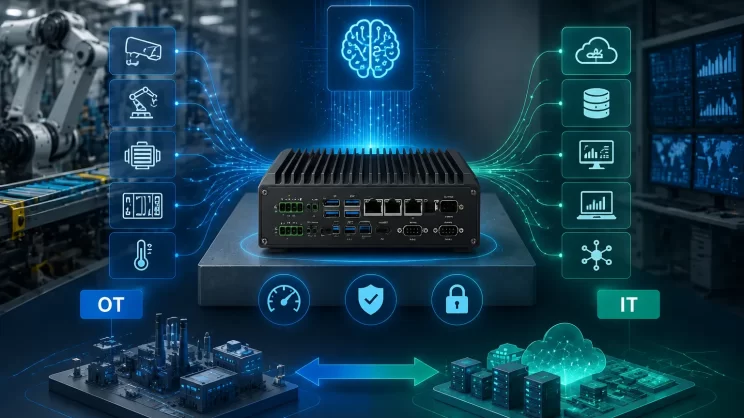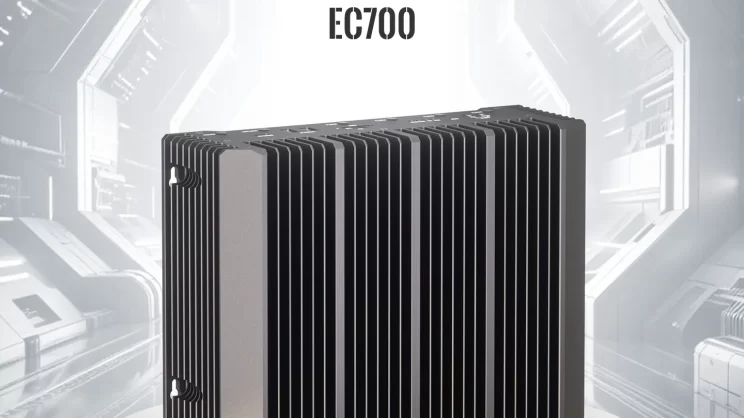
Industrial gateways are widely used in industrial automation and Industrial Internet of Things (IIoT) applications. They connect field devices such as PLCs, sensors, meters, CNC machines, and controllers with SCADA systems, IoT platforms, or cloud services.
In simple terms, an industrial gateway is responsible for collecting, processing, converting, and transmitting industrial data. It can also provide edge computing and remote maintenance functions, helping industrial equipment communicate with different systems more efficiently.
What Are the Main Functions of Industrial Gateways?
1. Industrial Data Acquisition
One of the basic functions of an industrial gateway is collecting data from field devices.
Industrial gateways can connect PLCs, sensors, meters, CNC machines, and other equipment through interfaces such as RS485, RS232, Ethernet, CAN, and DI/DO, depending on the gateway model.
They can continuously collect operating parameters, equipment status, and production data and transmit the information to SCADA, MES, IoT, or cloud platforms.
2. Protocol Conversion
Industrial equipment often uses different communication protocols, which makes system integration difficult.
An industrial gateway acts as a bridge between these devices and upper-level systems by converting different industrial protocols into standardized communication protocols.
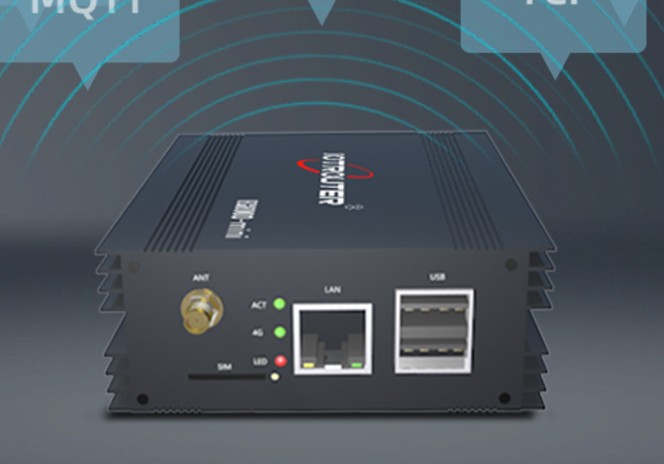
For example, data collected through industrial protocols such as Modbus or PLC-specific protocols can be converted and transmitted through MQTT, HTTP, TCP, OPC UA, and other protocols.
This enables data from equipment from different manufacturers to be integrated into the same industrial or IoT system.
3. Multiple Network Connections
Industrial gateways usually support multiple networking methods such as Ethernet, 4G, and Wi-Fi.
This makes them suitable for both local industrial networks and distributed remote sites.
When equipment is installed in pump stations, factories, energy facilities, or other remote locations, cellular communication can be used to transmit field data without relying on a fixed wired network.
4. Edge Computing and Local Data Processing
Modern industrial gateways do more than simply forward data.
They can process data directly at the edge, including:
- Фильтрация данных
- Data calculation
- Conditional logic
- Alarm processing
- Data mapping
- Преобразование протоколов
- Local control
By processing part of the data locally, industrial gateways can reduce unnecessary data transmission and decrease the workload of cloud or server systems.
Local processing also allows certain automation tasks to continue even when the connection to the cloud is temporarily unavailable.
5. Remote Monitoring and Maintenance
For distributed industrial equipment, sending engineers to every site for configuration or troubleshooting can be expensive and time-consuming.
Industrial gateways can provide remote device management and maintenance capabilities.
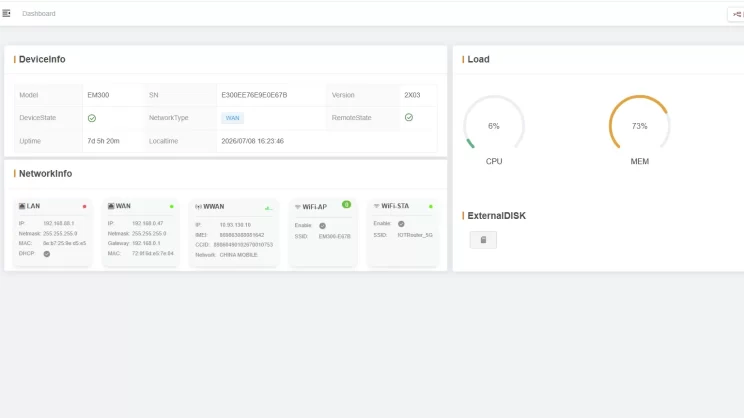
Depending on the system configuration, engineers can remotely monitor gateway status, modify configurations, perform diagnostics, and maintain connected equipment.
Some industrial gateways can also provide virtual Ethernet or virtual serial connections, allowing engineers to remotely access PLCs and other industrial devices for programming and debugging.
6. Reliable Industrial Communication
Industrial environments often have unstable networks, electrical interference, and harsh operating conditions.
Industrial gateways are therefore designed with features such as automatic network reconnection, watchdog mechanisms, and industrial protection to improve system reliability.
These functions help keep industrial equipment connected and reduce interruptions caused by communication failures.
How the EG8200 Series Extends These Capabilities
Сайт EG8200 Series Industrial Edge Gateways from IOTRouter combine industrial connectivity, edge computing, and remote maintenance in a range of models designed for different application needs.
Key capabilities include:
- Node-RED visual programming: Hardware interfaces and industrial protocols are provided as reusable nodes, allowing engineers to build data collection, processing, and control logic through drag-and-drop workflows.
- Remote engineering and maintenance: Supports remote configuration, firmware upgrades, virtual network interfaces, and virtual serial ports for accessing and maintaining field devices remotely.
- Models for different industrial scenarios: The series includes options for high-performance 5G applications, DIN-rail installations, CNC data acquisition, IEC 60870-5-104 integration, and multi-serial-port projects.
- Industrial reliability: Features such as automatic network reconnection, watchdog protection, secure data transmission, and industrial-grade environmental protection help support stable operation in field deployments.
Заключение
Industrial gateways are like the nervous system of the human body. Just as our nerves carry information from our senses, such as sight and touch, to the brain, an industrial gateway collects data from field devices and sends it to the system for processing. Based on the information received, the system can then make decisions and send commands back to the equipment.
In other words, an industrial gateway connects field devices with the systems that monitor and control them. Without this connection, equipment can become isolated, making it difficult to understand what is happening on site or respond to changes in real time.